Uranium City: the boomtown that lost its reason to exist
 Marek Halden
Updated 24 September 2026
8 min read
Uranium City, Saskatchewan, Canada
Marek Halden
Updated 24 September 2026
8 min read
Uranium City, Saskatchewan, Canada
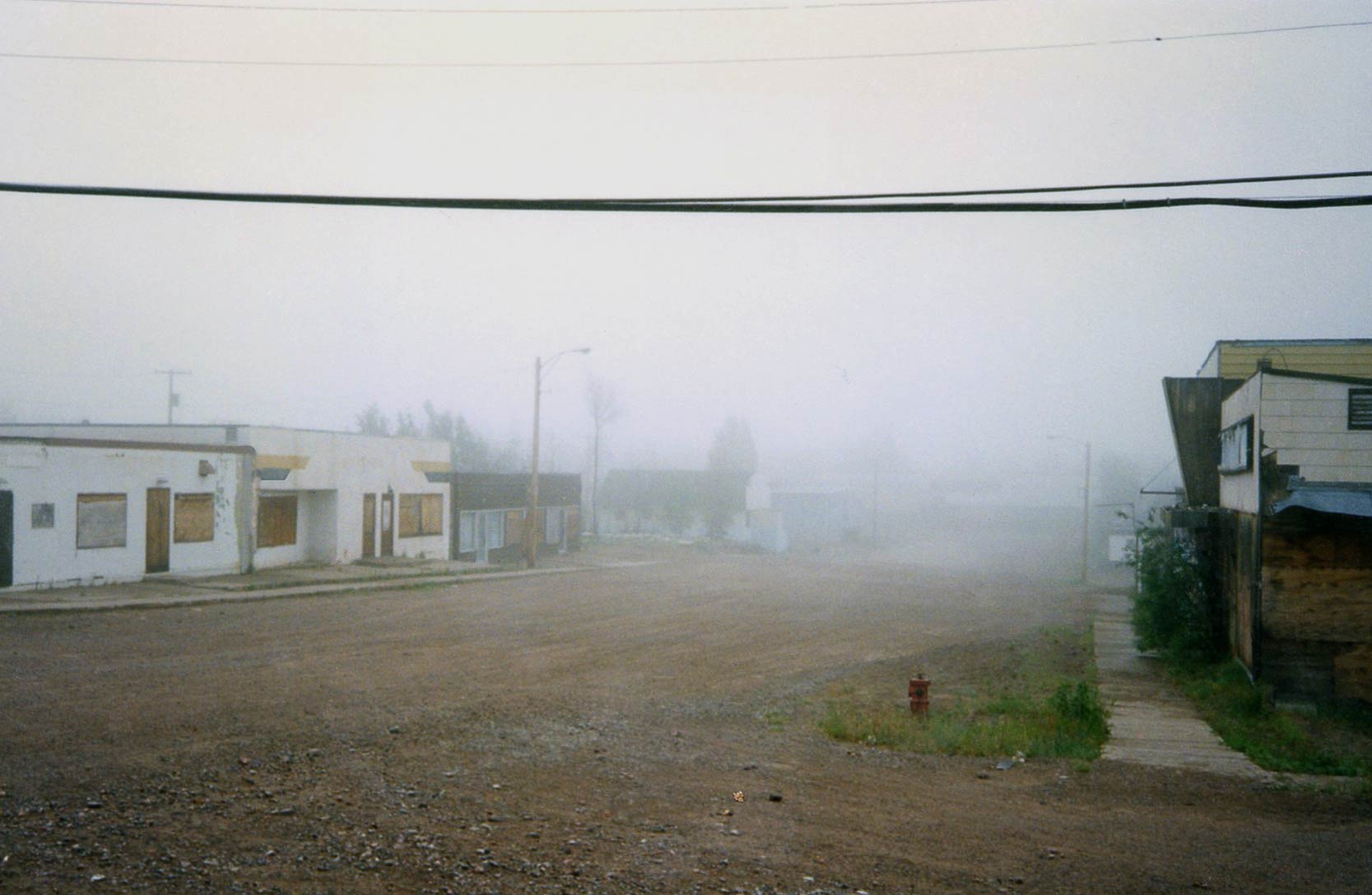
Uranium City was not a failure of planning. It was, for a while, one of the best-planned communities in northern Canada — a deliberate alternative to the scattered mining camps that had given the north a bad name. It had a hospital, a school, a theatre and a newspaper. Then, in 1982, the mines that paid for all of it closed, and the town discovered that a place can be perfectly designed and still have no future.
A town built on a boom
Uranium was discovered around Lake Athabasca in the late 1940s, and by 1952 the Saskatchewan government had decided to build a single, well-serviced town to support the mines rather than scatter workers across the bush. Uranium City was laid out on Martin Lake and modelled on Arvida, Quebec, with the aim of giving miners and their families the services of a real community.
It worked. At its height in the late 1950s and 1960s, dozens of mines operated in the Beaverlodge area, and Uranium City became the hub — the place with the hospital, the high school, the Roxy Theatre and the curling rink. Its population reached about 2,500 by 1981. For a town hundreds of kilometres from the nearest city, it was remarkably complete.
The year the mines closed
Uranium prices fell, and the mines around Uranium City became uneconomic. In 1982 the main employer, Eldorado Nuclear, shut its operations, and the town’s reason to exist vanished with them. Within months, most of the population had gone. The provincial government repealed the act that had created the town in 1983, and Uranium City was reduced from a chartered district to an unincorporated northern settlement.
What followed was a long, slow emptying. The hospital closed in 2003. Services shrank to almost nothing. The airport, one of the last employers, kept a thread of connection to the outside world. By 2016 the population was 73; by 2021 it was 91, a small mix of long-term residents, Métis and First Nations families, and people who simply never left.
A northern ghost with a pulse
Uranium City today is a ghost town that is not quite dead. Empty streets and boarded buildings stand beside a few occupied houses, and the old school and theatre are slowly failing. Winter closes in early and stays late, and the isolation that once made the town a model of northern planning now makes it a hard place to reach and an expensive place to serve.
It is one of the clearest examples in this archive of a boomtown — a place that grew fast because of a single resource and shrank just as fast when the resource ran out. The uranium is still there, and there are periodic proposals to reopen the mines, but for now Uranium City remains what the north does so well: a town holding on at the edge of the map, much like Ocean Falls on the other side of the country.


About Uranium City
Uranium City is a small, remote northern settlement, not a tourist ruin. Travel is by air only.
- Access is by air; there is no all-season road.
- The site is an active community — respect residents and private property.
- Do not enter derelict buildings; many are structurally unsound.
Frequently asked questions
Where is Uranium City?
In northern Saskatchewan, on Martin Lake near Lake Athabasca, about 760 kilometres northwest of Prince Albert.
Why was Uranium City abandoned?
The uranium mines that supported it closed in 1982, and most residents left. The town’s charter was repealed in 1983.
What was the population of Uranium City?
It peaked at about 2,500 in 1981. By 2021 it was 91.
Can you visit Uranium City?
Yes, but only by air. It is a remote settlement, not a preserved tourist site.
Related places
If this one stayed with you, these entries sit in the same corner of the archive:
- Ocean Falls: the rain-soaked mill town that almost vanished — Canada
- Anyox: the copper town that burned and was forgotten — Canada
- Centralia: the American town burning from below — United States
Marek Halden
Marek Halden has been photographing and researching abandoned places since 2019, working legally and leaving every site as found. This archive records architecture, history and the human stories behind the walls — and never encourages trespassing.