Wittenoom: the town Australia erased from the map
 Marek Halden
Updated 24 September 2026
9 min read
Pilbara, Western Australia
Marek Halden
Updated 24 September 2026
9 min read
Pilbara, Western Australia

Most ghost towns are left to fade. Wittenoom was actively erased. It is the only town in Australia — and, by most accounts, the only town in the world — to have been removed from the map because living there was too dangerous. Its story is not one of economic decline but of a public health disaster that the authorities spent decades trying to undo.
A town built on blue asbestos
Wittenoom grew up in the 1940s and 1950s around a mine at Wittenoom Gorge in the Pilbara, in the far north of Western Australia. The mine worked crocidolite — blue asbestos — which is among the most dangerous forms of the mineral. At the time, asbestos was seen as a wonder material: cheap, fireproof and useful in everything from insulation to cement.
The town was gazetted in 1950 and grew quickly, peaking at about 881 residents in 1961. Workers and their families lived in the shadow of the mine, and tailings from the workings were spread across the town — on roads, in gardens, in the schoolyard. Nobody knew, or admitted, how lethal the dust was. The mine closed in 1966, but by then thousands of people had been exposed.
The cost
What followed was one of the worst occupational health disasters in Australian history. Workers and residents of Wittenoom developed mesothelioma and other asbestos-related diseases at extraordinary rates, and many died decades after they left. The mine’s owner, CSR, and the state government were later found to have known about the dangers far earlier than they acted.
As the health toll became undeniable, the government began to dismantle the town. Services were withdrawn, the school and hospital closed, and residents were encouraged to leave. In 2007 Wittenoom was officially degazetted — struck from the register of towns — and its power and water were cut. The last permanent resident was pressured to leave, and by 2022 the town was effectively empty.
A town that is not allowed to exist
Wittenoom is now a strange kind of place: a town that legally does not exist, in a landscape still laced with asbestos. The government has removed road signs and discouraged visitors, and in 2023 it began demolishing what remained. The gorge and the surrounding country are beautiful — red rock, spinifex and a deep blue sky — which makes the danger harder to see and the story harder to forget.
Wittenoom is the darkest entry in this archive. It is not a romantic ruin or a monument to lost industry. It is a warning about what happens when profit is placed ahead of people, and about a town that had to be erased because the ground beneath it could kill — a fate that echoes the coal-mine fire still burning under Centralia in Pennsylvania.

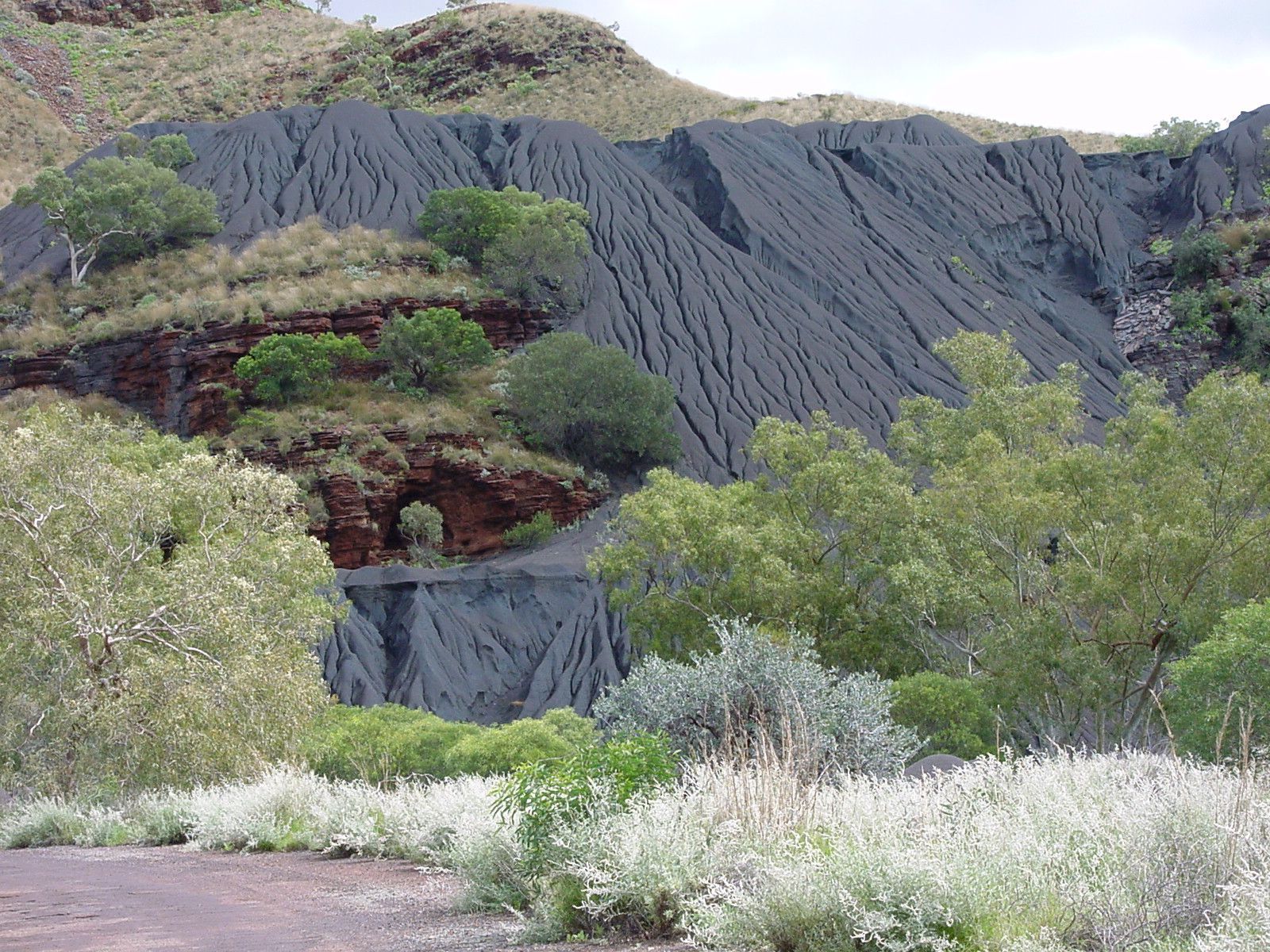

Do not visit Wittenoom
Wittenoom is contaminated with blue asbestos and is not a safe place to visit. The Western Australian government advises against all travel there.
- Do not travel to Wittenoom or Wittenoom Gorge; the area is contaminated with asbestos.
- There are no services, no fuel and no safe accommodation.
- If you have worked or lived in Wittenoom, seek medical advice about asbestos exposure.
Frequently asked questions
Why was Wittenoom abandoned?
It was built around a blue-asbestos mine. Widespread asbestos-related disease led the government to close services and, in 2007, to degazette the town.
Where is Wittenoom?
In the Pilbara region of Western Australia, in the Hamersley Range near Wittenoom Gorge.
Can you still visit Wittenoom?
No. The area is contaminated with asbestos and the government advises against all travel there.
What was Wittenoom's population?
It peaked at about 881 in 1961. The last permanent resident left by 2022.
Related places
If this one stayed with you, these entries sit in the same corner of the archive:
- Centralia: the American town burning from below — United States
- Uranium City: the boomtown that lost its reason to exist — Canada
- Newnes: the shale-oil town swallowed by the bush — Australia
Marek Halden
Marek Halden has been photographing and researching abandoned places since 2019, working legally and leaving every site as found. This archive records architecture, history and the human stories behind the walls — and never encourages trespassing.